
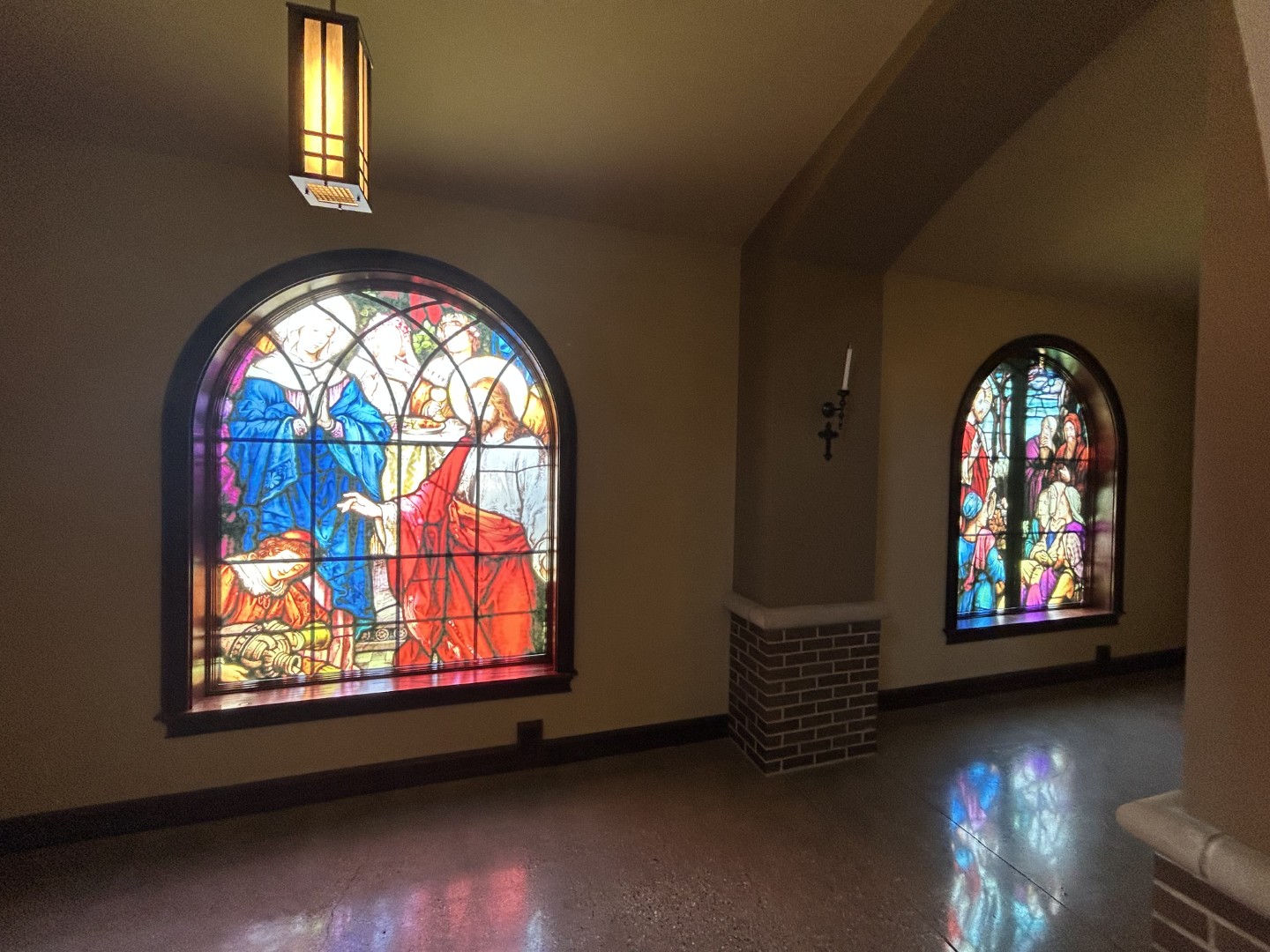
Stained glass has always been about more than decoration. It shapes experience, tells stories, and transforms light into something meaningful. Thanks to modern printing technology and skilled film installation, that tradition is no longer limited to stone walls and leaded frames.
Today’s decorative window films bring the essence of stained glass to modern worship spaces— allowing tradition and history to meet today’s patrons in environments that feel warm, open, and welcoming. For the window film industry, this is an opportunity to reimagine what glass can be—and what your business can offer.
 Across the country, churches, mosques, synagogues, and multi-faith worship centers are moving into non-traditional spaces. Former retail stores, outlet centers, malls, and previously occupied commercial buildings are being repurposed into modern places of worship. These locations offer visibility, accessibility, and affordability—but they often come with expansive flat glass, storefront windows, and contemporary architecture that lacks the warmth and symbolism of traditional religious buildings.
Traditional stained glass is rarely an option in these environments. Structural limitations, cost, long lead times, and permanence often make it impractical. Decorative window film, however, offers a flexible alternative—allowing worship centers to recreate the look and spirit of stained glass directly on existing flat glass.
For window film dealers and installers, this represents far more than a niche application. It is a chance to position film as a design solution that solves architectural, emotional, and budgetary challenges all at once.
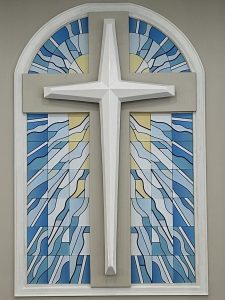 Recreating the Look of Stained Glass With Decorative Film

Advances in digital printing, graphic design, and optically clear polyester films have made it possible to closely mimic the visual qualities of traditional stained glass. Through layered printing techniques, designers can vary color opacity and transparency by manipulating inner layers of white ink. This allows light to pass through in controlled ways, producing depth, glow, and vibrancy similar to hand-cut glass.
Texture patterns are often incorporated as additional layers within the design. These textures simulate the imperfections and leaded outlines found in traditional stained glass, giving flat glass a handcrafted appearance. The result is not a flat graphic, but a dynamic surface that interacts with daylight and interior lighting. Design styles can range from rich jewel tones inspired by historic cathedrals to lighter pastel palettes that feel airy and contemporary. Whether bold or subtle, decorative film preserves what stained glass is known for—light, warmth, transparency, and the sense of spirit moving through space.
Design Options: From Stock Art to Fully Custom Concepts
One of the greatest strengths of decorative window film is its flexibility in design development.
Worship centers may choose from:
- Stock art photography or pre-designed patterns adapted to window size and scale
- Custom-drawn designs created specifically for a congregation’s symbolism, values, or architectural style
- Hybrid approaches that combine stock elements with custom adjustments to manage budget and timelines
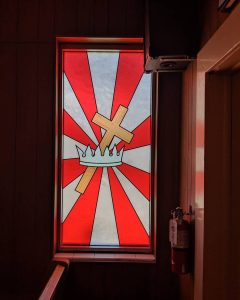 The Business Case: Why Film Wins Over Traditional Stained Glass
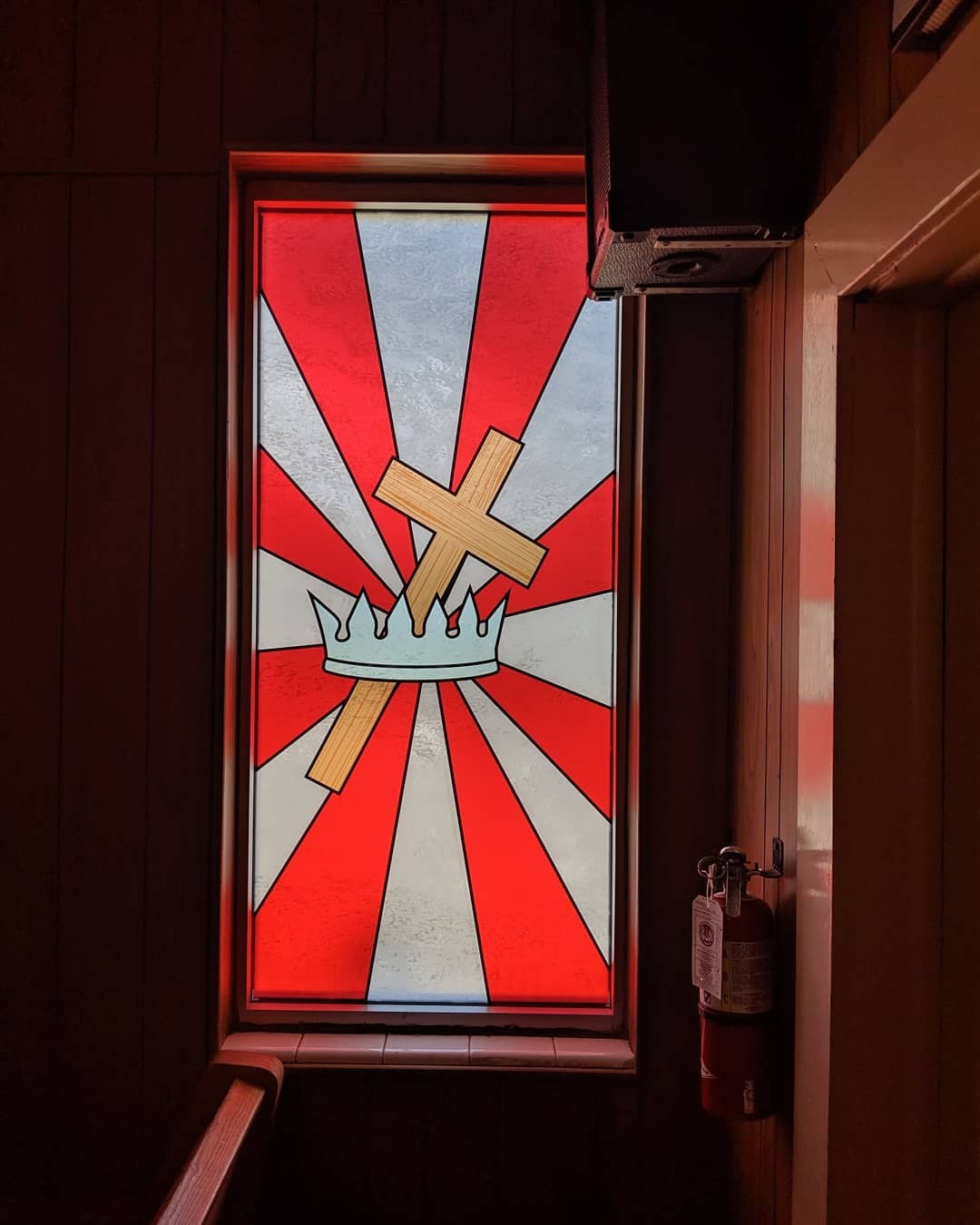
From a practical standpoint, decorative window film offers clear advantages over traditional stained glass installations:
- Fraction of the cost of fabricated stained glass
- Shorter production and installation timelines
- No structural modifications required
- Lightweight and safe for commercial environments
Perhaps most importantly, film offers flexibility. Worship centers leasing space can update or remove film if the building changes hands. Designs can evolve as congregations grow or branding shifts. For modern ministries that value adaptability, this flexibility is a decisive advantage.
Expanding the Role of the Window Film Professional
Decorative window film allows installers to move beyond performance-based selling and into design-driven conversations. Film becomes a creative layer for glass—not just a functional upgrade.